04 Sep , 2026

Picking the right commercial refrigeration unit isn’t just about finding bakery cases, meat and deli cases, counter-height deli cases, curve-glass cases, fish cases, or something that fits in your kitchen. What you’re storing, how often it gets pulled out, how it’s displayed, and how much room you actually have all play into the decision.

If your restaurant serves baked goods, prepared foods, meats, cheeses, or some mix of all of it, a bakery fridge for restaurants and a Deli Cooler for Restaurants end up doing pretty different jobs. Sure, both keep food cold and look good, but the layout, airflow, and storage setup can look nothing alike depending on what they’re built for.

Knowing those differences ahead of time can save you from a bad purchase, protect the quality of what you’re serving, and make your line move faster during service.

What Is a Bakery Fridge?

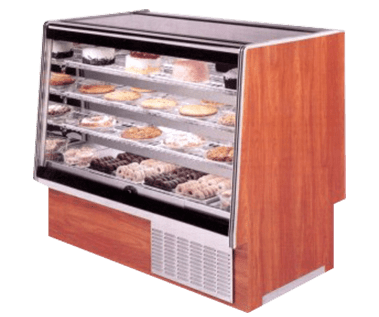
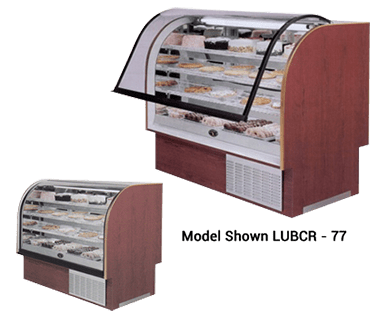
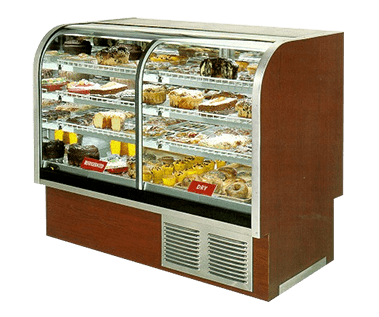
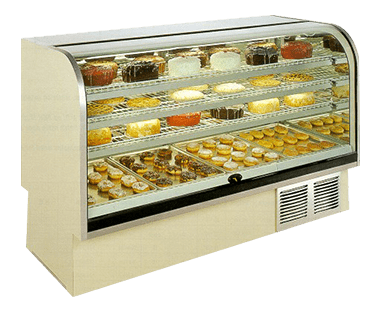
A bakery fridge is designed for bakeries, pastry shops, cafés, and restaurants, specifically for products that need to stay cold and look presentable.

Not everything baked needs to be refrigerated, either. Bread, cookies, muffins, and most dry pastries can usually sit out just fine. But anything with cream, custard, dairy fillings, or other perishable ingredients is a different story.

When a Bakery Fridge Makes Sense

If your restaurant regularly handles any of these, a bakery-style refrigerated case is probably worth looking into:

  • Cream-filled pastries
  • Cheesecakes
  • Refrigerated cakes
  • Custard-based desserts
  • Cream-topped products
  • Pies and other chilled desserts
  • Prepared pastries that need refrigerated storage

Presentation matters here too. People often buy cakes and pastries because they look good, not just because of what’s on the description card, so a well-designed case needs to show off the product.

What Is a Deli Cooler?

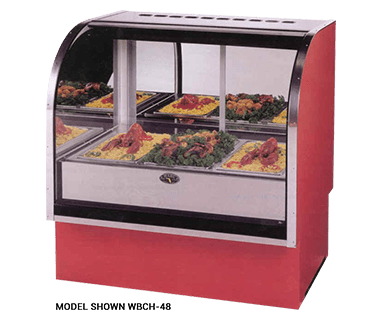
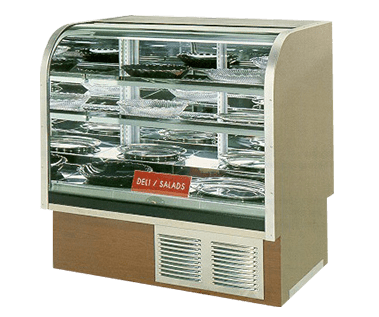
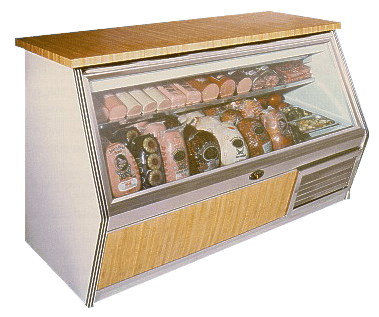
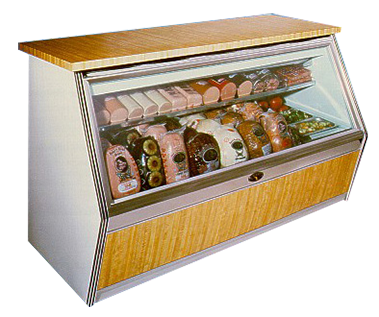
A deli cooler is meant for products that need refrigerated storage and convenient access for staff. Think meats, cheeses, prepared salads, sandwiches, and other refrigerated prepared foods. For seafood, a dedicated fish case may be more appropriate, depending on the product and operation.

These cases are usually built around product organization, visibility, and service efficiency. Depending on the model, you might get multiple shelves, a service counter, or a layout designed to make it easy for staff to reach products fast when things get busy.

When a Deli Cooler Is the Better Choice

A deli cooler for restaurants tends to make more sense if your menu leans toward:

  • Sliced meats and cheeses
  • Prepared sandwiches
  • Salads and cold sides
  • Refrigerated seafood
  • Refrigerated prepared foods
  • Dips and similar chilled items

If your deli or cold-food operation is a big part of what you do, getting products in and out quickly and keeping the temperature steady matters just as much as how things look on display.

Bakery Fridge vs. Deli Cooler: Key Differences

Temperature alone isn’t the deciding factor, since both units can safely hold perishable food. What sets them apart is how each one is designed around the products it’s meant to hold and the way your staff actually works.

1. Product Type

  • A bakery fridge is designed to hold cakes, pastries, and other baked goods that need refrigeration.
  • A deli cooler is designed for meats, cheeses, salads, seafood, and prepared refrigerated foods, while some seafood applications may require a dedicated fish case.
  • Your product mix should be the first thing you look at before comparing the two.

2. Airflow and Moisture

  • How air moves inside the case affects the food.
  • Different refrigeration designs use different airflow and cooling methods, so the case should be selected according to the products it is designed to hold.
  • Avoid assuming that one airflow configuration is automatically better for every food type.
  • Delicate bakery products may have different storage requirements than meats, cheeses, or prepared foods, so equipment specifications matter.

3. Display Configuration

  • Bakery cases are usually designed to showcase cakes and pastries.
  • Shelving and glass are often arranged so customers get a clear, unobstructed view of each item.
  • Deli coolers focus more on service and organization.
  • Multiple shelves, counter-height setups, and easy product access can make a real difference when lunch or dinner rush hits.

4. Restaurant Workflow

  • Consider how the refrigeration unit will be used during your busiest service period.
  • If staff are constantly building sandwiches, portioning meat, or serving salads, a deli-style setup probably fits better.
  • If they’re mostly grabbing cakes, pastries, and desserts for customers, a bakery fridge will likely serve you better.

How to Choose the Right Refrigeration for Your Restaurant

Once you understand the differences, the next step is figuring out what actually fits your operation.

Start With What You Actually Sell

  • Look at your menu before you look at the equipment.
  • List out what spends the most time in the fridge, and sort it into bakery items, deli foods, drinks, prepared meals, and everything else.
  • That’ll give you a much clearer picture of what kind of refrigeration you actually need.

Think About Your Space

  • Measure the area where the unit will go, and don’t forget clearance for doors, staff movement, and ventilation.
  • Bigger isn’t always better.
  • If a larger case gets in the way behind the counter or crowds another station, that extra capacity may not provide a practical benefit.

Factor In How Often It’s Accessed

  • A fridge that gets opened constantly during service needs to be appropriate for the level of traffic and intended use.
  • Think about who’s using it, how often, and whether customers will be looking at what’s inside.
  • These factors can help you determine whether a display-oriented or service-oriented setup is the better choice.

Don’t Skip Food Safety

  • Refrigeration exists to keep food safe, not just to keep it cold.
  • Choose equipment suited to what you’re storing, and stick to applicable food-safety guidelines for temperature control.
  • Consistent performance and proper temperature control matter more than a flashy unit with a big capacity number on the spec sheet.

Think Long-Term

  • The purchase price is only part of the equation.
  • Cleaning, maintenance, accessibility, energy use, replacement parts, and how long the unit will last all matter too.
  • A fridge that fits naturally into your daily routine will usually save you more money over time than a cheaper one that causes headaches down the line.

Can One Cooler Handle Both Bakery and Deli Products?

Sometimes, but it really depends on what you’re storing and what the unit is capable of.

If you’ve got a mixed menu, a versatile refrigerated case can work, as long as the temperature range, airflow, shelving, and layout suit everything you’re putting in it.

That said, combining different food categories in one unit requires careful consideration of temperature requirements, product placement, and sanitation. Delicate pastries, meats, and prepared salads don’t always have the same storage requirements.

If your bakery and deli are both sizable operations, separate units will probably provide better organization and more appropriate product storage in the long run.

Base Your Decision on Your Menu, Not the Label

There’s no single right answer between a bakery fridge and a deli cooler. It comes down to what you’re selling, how those products need to be stored, and how your team works during service.

A bakery fridge for restaurants makes sense when refrigerated cakes, pastries, and desserts are a core part of your business. A deli cooler for restaurants is a better fit when meats, cheeses, prepared foods, and salads make up a large share of your refrigerated inventory.

Whatever you choose, it should handle three things well: food quality, workflow, and presentation.

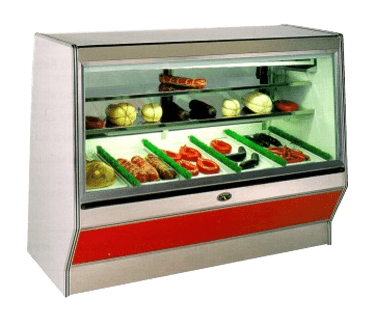
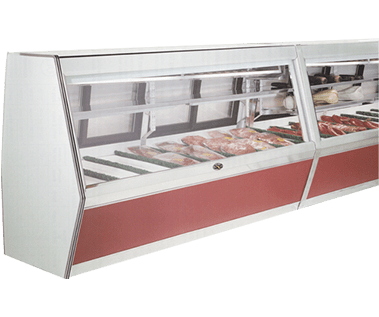
If you’re comparing commercial refrigeration options, at Marc Refrigeration, we offer bakery cases, meat and deli cases, counter-height deli cases, curved-glass cases, fish cases, and other commercial refrigeration equipment. Our company offers both self-contained and remote configurations across several product categories, giving restaurants options based on their space and refrigeration setup.

FAQs

  • What is the main difference between a bakery fridge and a deli cooler?
    A bakery case is generally built around refrigerated cakes, pastries, and desserts, while a deli cooler is meant for meats, cheeses, salads, and other chilled prepared foods. Dedicated fish cases may be more suitable for certain seafood applications. Which one you need depends on your menu and storage needs.
  • Do restaurants need a bakery fridge for all baked goods?
    Not really. Bread, cookies, muffins, and some pastries don’t need refrigerated display at all. But anything with cream, custard, dairy fillings, or similar perishable ingredients might need it, depending on the product and applicable food-safety requirements.
  • Is a Deli Cooler for Restaurants suitable for desserts?
    It can work, depending on the unit’s temperature range, airflow, and shelving. But if desserts make up a big part of your menu, a bakery-specific case is usually the better fit.
  • How do I choose between a bakery fridge for restaurants and a deli cooler?
    Look at what you sell most, your storage temperatures, available space, how often the unit gets accessed, display needs, and how your staff works. If bakery products dominate your menu, start there. If it’s mostly meats, cheeses, and prepared foods, look at deli refrigeration first.
  • Can one refrigerated display case handle both bakery and deli products?
    Some versatile cases can, but it’s worth checking carefully. Temperature needs, airflow, product placement, hygiene, and the potential for cross-contamination all come into play when different food categories share the same space.
blog-image
Deli Display Cases